

Middle school art projects—those things really do give kids a chance to run wild with their ideas, don’t they? Whether you hand them paint or clay or even some old cereal boxes, all of a sudden you get students who are a little bolder, maybe even start talking to classmates they barely nodded at before. Happens right when you need it, too, since this is that weird age where a lot of teens are still figuring out what the heck makes them tick.
Popular and Accessible Art Projects for Middle School Students
I keep hearing about how schools everywhere, especially here in the US, have to get kind of creative with supplies for middle school art projects. You look around the classroom and there’s usually a pile of cardboard, maybe some house paint, plus those digital tablets kids love. Apparently the National Art Education folks said most schools (more than 3/4!) go for stuff like recycled containers or anything cheap, so nobody’s left out if money’s tight. Especially true if you’re running an after-school thing or your class has a shoestring budget—has anyone else ever raided the recycling bin for last-minute art day?
One project you see in loads of places is the “identity mask.” That’s where everyone whips up masks that show off things they care about or tell something about their family’s background. All you need is some paper mache, glue, odd bits of ribbon or whatever junk students bring in. Not trying to brag, but Edutopia did say in 2023 that this helps with more than just getting paint on your shirt—kids learn how to work together and maybe even understand classmates better. Collages, printmaking, art inspired by trees or leaves—they all pop up too, and teachers mess around with the rules so kids can jump in no matter how much they’ve done before. Something in there tends to click with almost everyone sooner or later.
Fostering Creativity and Adaptability Through Art
This whole phase—middle school—is a pretty big deal for the side of your brain that likes sketching doodles instead of writing essays. Some research from Brookings (2023, I think?) even pointed out that mixing structure with creativity—like giving everyone a “make-over-an-old-book” assignment—really wakes up those problem-solving muscles. You get students bending, tearing, painting inside used novels and it’s wild what turns up, no kidding.
Plenty of teachers seem to let kids steer a bit: pick topics that feel real, turn headlines into posters, or even vent about big issues through stencils or whatever. Feels less like homework, honestly. It gets more interesting around holidays, too. Teachers like throwing in seasonal ideas—say, snow scenes or turning piles of autumn leaves into something new—just to keep things from feeling stale once you hit winter or spring.
Exploring Seasonal Themes: Winter, Spring, Summer, and Fall
If you want a recipe for keeping kids awake during class, using the seasons really helps. Scholastic mentioned how teachers time activities for whatever’s happening outside: winter brings on snowflake cutting marathons, spring means watercolors and flowers splattered all over. There’s always some new trick where color, shape, and random bits from nature come together, and before you know it there’s a legit art show hanging above the lockers—sounds cheesy, works like magic.
Take fall, for example. Leaf rubbings, pumpkins plopped in the middle of the table for quick sketches, even lessons on how not to break your pencil shading all those tiny lines. When summer rolls around, some classes head out, grab rocks, slap some paint on them, or put together sun prints where sunlight does half the work. Rotating these themes every quarter (or whenever someone remembers to check the calendar) keeps everybody from snoozing by March, promise.
Integrating Art with Science, History, and Literature
The cool thing about middle school art projects is how often they sneak into other classes. You’ve probably heard a science teacher assign cell models using Play-Doh or ask for diagrams that look way fancier than in any textbook. The Department of Education says tying art and science (think drawing lab results or making models out of clay) totally helps tricky stuff stick in your brain. Seems like the same goes for history and English—students might end up recreating ancient tools or taking a scene from a novel and putting it on canvas instead of another boring essay.
Here’s a neat one: In 2023, Smithsonian’s Learning Lab had students mash up timelines and art, making posters that basically became both research projects and murals. Mixing up painting and fact-finding gets those brains firing on more cylinders, and they say it ups your communication game too. Not too shabby for an art class, right?
Group Projects and Teamwork Development
Art isn’t always a solo gig, especially not in middle school. Turns out group work—like tossing a bunch of students at a blank wall and telling them “paint a mural”—is sort of perfect for showing kids how to hash things out together. The Arts Education Partnership says these group projects force everyone to argue (a little), make deals, and figure out who’s sketching what part. Reminds me of my first after-school group project—let’s just say no one agreed on colors, but we made it out alive.
Heard of schools getting students to work on “community mural” pieces? First comes a dive into local stories, then comes measuring walls, finally painting something everyone stops to check out on their way to gym. Education Week reported back in 2023 that besides making hallways less boring, everyone walked away feeling proud and a tad more connected. Teachers sometimes set up show-and-tells when the job’s done, and suddenly parents show up with phones snapping photos. Now that’s teamwork in action.
Digital Art and Technology in Contemporary Classes
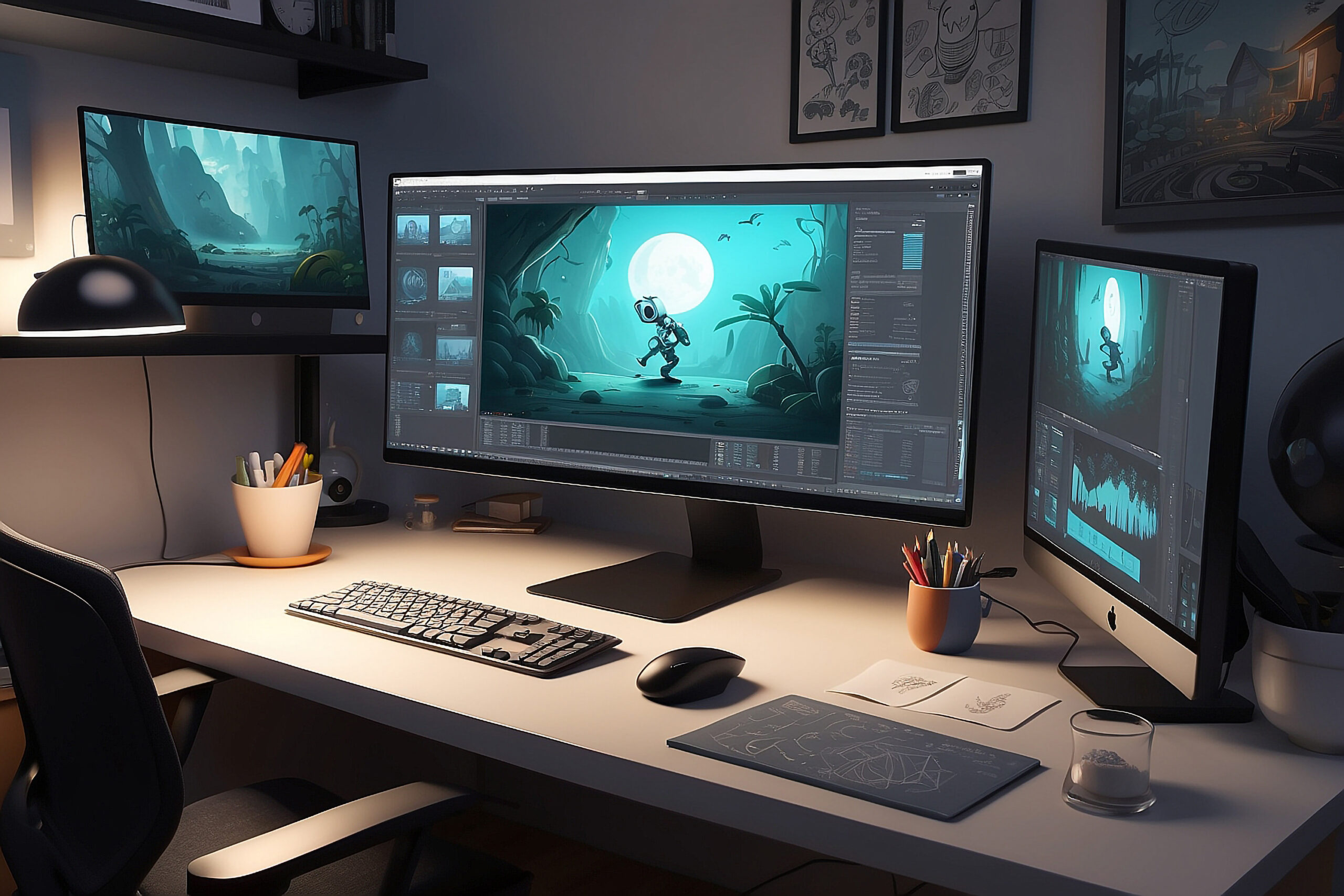
Tech’s everywhere now—even in art rooms, trust me. These days, a regular middle school project could mean messing around with digital drawings, dabbling in animation software, or making graphics in programs none of us had growing up. ISTE counted in 2023 that more than half the country’s schools were teaching with tablets or computers in art—and kids dig it. They get hands-on with things like layout tricks, simple coding for video, you name it. And all of a sudden visual literacy becomes more than just picking out shades of blue.
Usual assignments look like digital poster-making, stop-motion short films, editing goofy pictures. Can